Most of us who write on here have written articles on the problems of engineering education in print publications.
These are usually published in engineer's professional journals or in the general press, as we have found it hard to get articles about the problems with engineering education published in journals controlled by educationalists.
Eventually we run into problems with even those publications which will publish articles about the mismatch between engineering degrees and the engineering profession.
If we are bold and forthright in our criticism of current practice, we are told that we cannot say anything which might be thought disrespectful of individuals.
If we are more diplomatic, we are told that our new articles on the subject are just rehashing what we said before, as they have the same basic theme.
The response to the articles is consistently positive from practitioners. The most interesting thing is the response from academics. Silence. They generally speaking don't have a thing to say in public about these issues.
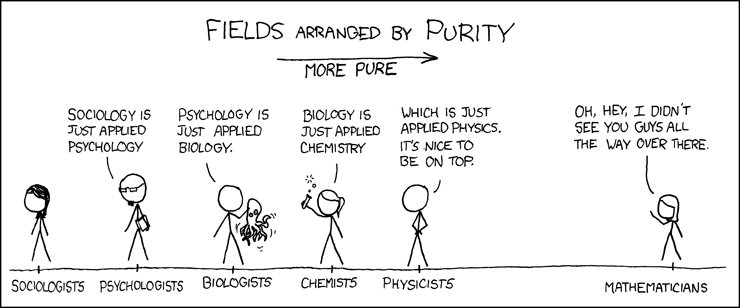
They only want to talk to people who agree with their basic axiom that engineering is the straightforward application of the far more difficult maths and science which they know about.
If you suggest that engineering is not the application of natural science and maths - silence.
If you suggest that the graduates they are producing are not fit to become engineers- silence.
If you suggest that a practitioner might know hard things that an academic does not - silence.
If you suggest that putting scientists and mathematicians in charge of engineering education was a bad idea - the utter silence of censorship. Not only they, but you will be silenced.
So much for the principle of academic freedom. Some things may not be said, and will not be said in peer-reviewed academic journals, or professional engineering journals.
So what does the silence mean? You can pin down academics in a corridor, and get a few answers:
1. "That's just technician level knowledge"
2. "I'm in touch with one of our alumni, and he says that engineering practice is exactly as we in academia say it is"
3. "Oh, that's the kind of thing X always says, pay no attention to him"
4. "All of our graduates get good jobs - Where's the problem?"
5. "University is about Education, not mere Training"
6. "I AM an engineer, so the stuff I teach IS engineering"
7. "All of the faculty agree that this is what engineering is about"
There are many others, but what they all have in common is their thought-avoiding dismissiveness.
Technicians know things many professors do not. Much of this knowledge is needed to become a professional engineer, but most of what is missing is not known by technicians or academics. The technician level knowledge argument is an insult to professional engineers and technicians masquerading as an argument. Professional engineers know the theory that academics know, as well as the practicalities that technicians and professional engineers know. They will tell you that engineering is far more complex than the things they were taught in university.
The kind of alumnus who keep in touch with the kind of person who tries the "one of our alumni once told me" argument tends to be a bit of a suck-up. n=1 would not impress this kind of academic in any other sphere, but when it comes to confirmation bias, any datapoint which agrees with prejudice will do.
"That's the kind of thing X always says" is a straightforward ad hominem attack, backed again only by a lack of criticality founded in confirmation bias. Maybe that is what X always says, but please explain why he is wrong.
Data in this area is very flaky, but not so bad that we cannot say with some confidence that all of your graduates do NOT get good jobs. Many of them may not get jobs at all, and most of them will not get jobs as engineers. Would people teaching medicine be as unconcerned if less than half of their output were thought fit to practice?
Education vs training is the expression of snobbery of people who don't know what engineers do, but think that what they know is smarter than what engineers know, despite their not knowing what engineers know.
The researchers who say that they are engineers may have a point, but usually they don't. I read books by people like Vincenti, and I meet some academics who clearly know what engineering is about. I'm happy to call such people research engineers. It is very notable that such people's research is very directly useful to, and involves talking to practicing engineers.
"All of our faculty agree..." All of your faculty agree that if they are wrong about what engineering is they are going to have to do a great deal of work learning a subject they know next to nothing about from people they consider their social and intellectual inferiors. No-one will give them any reward for this work, and before they can do it, they will have to agree that they are the oompa loompas of engineering rather than the other way round.
What does the silence mean? It means that the present approach to engineering education is as morally bankrupt as it is intellectually lazy. It means that they hope we'll stop knocking if they ignore the door for long enough.
These are usually published in engineer's professional journals or in the general press, as we have found it hard to get articles about the problems with engineering education published in journals controlled by educationalists.
Eventually we run into problems with even those publications which will publish articles about the mismatch between engineering degrees and the engineering profession.
If we are bold and forthright in our criticism of current practice, we are told that we cannot say anything which might be thought disrespectful of individuals.
If we are more diplomatic, we are told that our new articles on the subject are just rehashing what we said before, as they have the same basic theme.
The response to the articles is consistently positive from practitioners. The most interesting thing is the response from academics. Silence. They generally speaking don't have a thing to say in public about these issues.
They only want to talk to people who agree with their basic axiom that engineering is the straightforward application of the far more difficult maths and science which they know about.
If you suggest that engineering is not the application of natural science and maths - silence.
If you suggest that the graduates they are producing are not fit to become engineers- silence.
If you suggest that a practitioner might know hard things that an academic does not - silence.
If you suggest that putting scientists and mathematicians in charge of engineering education was a bad idea - the utter silence of censorship. Not only they, but you will be silenced.
So much for the principle of academic freedom. Some things may not be said, and will not be said in peer-reviewed academic journals, or professional engineering journals.
So what does the silence mean? You can pin down academics in a corridor, and get a few answers:
1. "That's just technician level knowledge"
2. "I'm in touch with one of our alumni, and he says that engineering practice is exactly as we in academia say it is"
3. "Oh, that's the kind of thing X always says, pay no attention to him"
4. "All of our graduates get good jobs - Where's the problem?"
5. "University is about Education, not mere Training"
6. "I AM an engineer, so the stuff I teach IS engineering"
7. "All of the faculty agree that this is what engineering is about"
There are many others, but what they all have in common is their thought-avoiding dismissiveness.
Technicians know things many professors do not. Much of this knowledge is needed to become a professional engineer, but most of what is missing is not known by technicians or academics. The technician level knowledge argument is an insult to professional engineers and technicians masquerading as an argument. Professional engineers know the theory that academics know, as well as the practicalities that technicians and professional engineers know. They will tell you that engineering is far more complex than the things they were taught in university.
The kind of alumnus who keep in touch with the kind of person who tries the "one of our alumni once told me" argument tends to be a bit of a suck-up. n=1 would not impress this kind of academic in any other sphere, but when it comes to confirmation bias, any datapoint which agrees with prejudice will do.
"That's the kind of thing X always says" is a straightforward ad hominem attack, backed again only by a lack of criticality founded in confirmation bias. Maybe that is what X always says, but please explain why he is wrong.
Data in this area is very flaky, but not so bad that we cannot say with some confidence that all of your graduates do NOT get good jobs. Many of them may not get jobs at all, and most of them will not get jobs as engineers. Would people teaching medicine be as unconcerned if less than half of their output were thought fit to practice?
Education vs training is the expression of snobbery of people who don't know what engineers do, but think that what they know is smarter than what engineers know, despite their not knowing what engineers know.
The researchers who say that they are engineers may have a point, but usually they don't. I read books by people like Vincenti, and I meet some academics who clearly know what engineering is about. I'm happy to call such people research engineers. It is very notable that such people's research is very directly useful to, and involves talking to practicing engineers.
"All of our faculty agree..." All of your faculty agree that if they are wrong about what engineering is they are going to have to do a great deal of work learning a subject they know next to nothing about from people they consider their social and intellectual inferiors. No-one will give them any reward for this work, and before they can do it, they will have to agree that they are the oompa loompas of engineering rather than the other way round.
What does the silence mean? It means that the present approach to engineering education is as morally bankrupt as it is intellectually lazy. It means that they hope we'll stop knocking if they ignore the door for long enough.